

What to Look for when Choosing a Mouthwash
September 15th, 2015

Mouthwash is important for more than just keeping your breath fresh and smelling great. Combined with other forms of dental hygiene, it can help prevent plaque, cavities, gingivitis, and other gum diseases. But it may be difficult for you to choose the right mouthwash off the shelf. Dr. Angela Paros, Dr. Anthony Reganato and Dr. Matthew Hamedani and our team at High Point Dental Group wanted to share a few things to look for when choosing a mouthwash.
Fluoride mouthwashes
Fluoride has been the subject of many debates in the oral health community. If you live in the United States, the tap water already contains small amounts of fluoride to promote dental health. You may not need to use a fluoride mouthwash if this is the case. However, if you are cavity-prone, fluoride creates a protective film over the teeth that protects against these buildups. It also helps strengthen the enamel over the teeth, maintain good dental hygiene, and keep your teeth strong for the rest of your life.
Alcohol mouthwashes
Alcohol in mouthwash works as an antiseptic: it clears the mouth of germs and some viral infections. However, if you have issues relating to dry mouth, alcohol can exacerbate the problem. If this is the case, consider using an alcohol-free mouthwash. This will free your mouth from the drying effects of the alcohol base. Also, if you have children, you will want to get an alcohol-free children’s mouthwash, because kids are prone to swallowing the substance, and this can lead to toxic side effects. Even if you are an adult using the mouthwash, if it contains alcohol, you should avoid swallowing it.
Antibacterial mouthwashes
Antibacterial mouthwashes have chemicals to help fight gum disease and other infections. Most mouthwash products contain at least trace amounts of these antibacterials; however, some mouthwashes are made specifically to fight bacterial infections. Remember that mouthwash is prevention, not a cure, so if you are presently suffering from a bacterial infection, you should visit our Romeoville, IL office right away. Dr. Angela Paros, Dr. Anthony Reganato and Dr. Matthew Hamedani may be able to recommend a more powerful antibacterial mouthwash that can help you reduce your pain and other symptoms.
How do I pick the right toothpaste for my needs?
September 8th, 2015
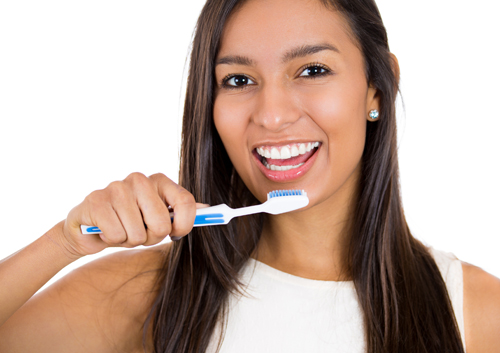
With so many toothpastes available in so many price ranges, it can be difficult to be sure you are selecting the right one for your needs. You need a product that not only protects against tooth decay, but also addresses any special concerns that Dr. Angela Paros, Dr. Anthony Reganato and Dr. Matthew Hamedani and our team have raised. Look for the American Dental Association seal and do some research to find the toothpaste that best meets your needs.
Choose a Product Approved by the American Dental Association
The American Dental Association approves dental products such as toothbrushes, dentures, mouthwashes, dental floss, and toothpastes when they meet certain quality standards. Before products can display the seal, the American Dental Association must verify that the product does what it claims to do. Look for the American Dental Association seal on the toothpaste package before you buy it. Also, check to make sure that the toothpaste contains fluoride, which helps protect against decay.
Consider Special Needs
You may be depending on your toothpaste to perform extra tasks beyond cleaning your teeth. These are some common concerns that the right toothpaste can address.
- Bad breath (halitosis)
- Sensitive teeth
- Plaque or gingivitis
- Tartar
- Yellowing teeth
The American Dental Association’s website has a tool that lets users input their requirements and view a list of the toothpastes that carry the American Dental Association’s seal and address those particular oral health needs.
Make Your Children’s Tooth-Brushing Experience Fun
If you select toothpaste that contains fluoride and has the American Dental Association seal, most types of toothpaste will be fine for your children as long as they have no special needs. Allowing your kids to select fun toothpaste can encourage them to enjoy the brushing experience more, so that they brush more frequently and do a better job.
The following toothpaste characteristics can make brushing more fun for children.
- Fun flavors, such as bubble gum, berry, and watermelon
- Sparkles and swirls that make the toothpaste appear more attractive
- Toothpaste that comes in a pump
- Toothpaste with a container decorated with superheroes
Labor Day: Our favorite holiday to rest!
September 1st, 2015

Labor Day, celebrated on the first Monday each September here in the United States, is a holiday devoted to the American working community. The purpose of the holiday is honoring the country's workers and their contributions to the strength of our country as a whole.
How Labor Day Started
There is actually some debate as to the origins of Labor Day. It is uncertain whether Peter McGuire, a cofounder for the American Federation of Labor, or Matthew Maguire, who was the secretary of Central Labor Union of New York, had the great idea. However, the Central Labor Union's plans were what launched the first Labor Day in America.
The First Labor Day
The very first Labor Day was celebrated on September 5th, 1882. The Central Labor Union then held annual celebrations on September 5th for what they called a working man's holiday. By the year 1885, the Labor Day celebration had spread to many different industrial areas, and after that it began spreading to all industries in the United States.
Labor Day Today
Labor Day today is a huge United States holiday during which we honor the country's workers with a day of rest and relaxation or a day of picnics and parades. This holiday is truly one to honor the many people who work hard to contribute to the economic well-being of our great country!
Our team at High Point Dental Group hopes all of our patients celebrate Labor Day, and every holiday, safely and happily. Whether you stay in the Romeoville, IL area, or travel out of town, have fun, and don't forget to brush!
Common Emergency Visits: From lost fillings to broken dentures
August 25th, 2015

You never know when you're going to experience a dental emergency, but if you do, it should give you peace of mind to know that emergency dental care is available at our office 24/7. Whether you chip your front tooth playing softball, or your child knocks out a couple of teeth in a playground fall, receiving the emergency dental treatment you need is accessible and convenient.
If you're experiencing a dental emergency, our team at High Point Dental Group is here to help you any time of the day or night. Dental emergencies should not be taken lightly, so don't delay. Contact our office as soon as possible. Common dental emergencies include the following:
Lost Fillings and Crowns
Fillings are used to repair cavities. Crowns, on the other hand, are used to cover broken or damaged teeth. Over time, it’s possible for both of these items to loosen and fall out. A lost filling or crown can be painful, because the exposed tissue may be sensitive. Hot and cold temperatures will cause discomfort. While a lost filling or crown might not be as severe a dental emergency as a broken or chipped tooth (most people respond quicker to pain than self-consciousness about their looks), you need to get it fixed as soon as possible.
Broken Dentures
If your dentures are broken, everyday tasks may become trying and arduous. If you can’t chew, swallow, or eat properly, the situation calls for emergency care. Depending on how damaged your dentures are, Dr. Angela Paros, Dr. Anthony Reganato and Dr. Matthew Hamedani may need to send out a mold of your mouth in order to have the manufacturer make a new pair. On the other hand, if the dentures are not damaged too badly, then we may be able to fix them in-house. If you're having problems with your dentures, you should give us a call as soon as possible.
From chipped and cracked teeth to lost fillings and broken dentures, dental emergencies come in all shapes and sizes. Emergencies are unexpected, but we want you to know that treatment is available, day or night. When your dental health is at risk, we are here to help. In the case of a dental emergency, don't wait; contact our Romeoville, IL office at your earliest convenience.
